
Deep in an
idyllic village off the Malindi-Mombasa highway, in a place cool with the shade
and sway of trees, where children pick up fruits from vast farms on their way
back from school and lazy village dogs sleep all day, there lives a formidable change-maker
whose story is the stuff that is regaled around village night fires as families
gather after a hard day’s work.
In Bomani village in the year 2014, where Crispus Kalenga, a soft-spoken shopkeeper and father of four was going about his business in the tight-knit community, the Chief called for a meeting with villagers in partnership with Amref Health Africa. You see, standard community entry strategy requires that we involve the community in seeing how best the proposed interventions will work, and the Financial Inclusion Improves Sanitation and Health in Kenya (FINISH INK) project through the support of Amref Health Africa in the Netherlands had an innovative approach whose goal was to go beyond sensitisation by linking up interested villagers with affordable loans that would enable them actually build the toilet.
“I
remember my first encounter with Amref at this big Chief’s baraza (meeting) where they shared their planned interventions
targeted at enabling all villagers to build a toilet. It is at this meeting
that I was chosen to head a committee of other volunteers and charged with
ensuring that 140 households built toilets.”
A Difficult Journey
It was not an easy job for Crispus and his
dedicated committee of volunteers.
How do you convince a generation that had
comfortably lived without a toilet since the days of their ancestors to build
one? How do you diplomatically demystify traditional taboos against sharing a
toilet between certain in-laws in a rural setting where the sense of tradition
is still very strong and the air rife with superstition? And then on top of
that, you ask them to take a bank loan to build a toilet?
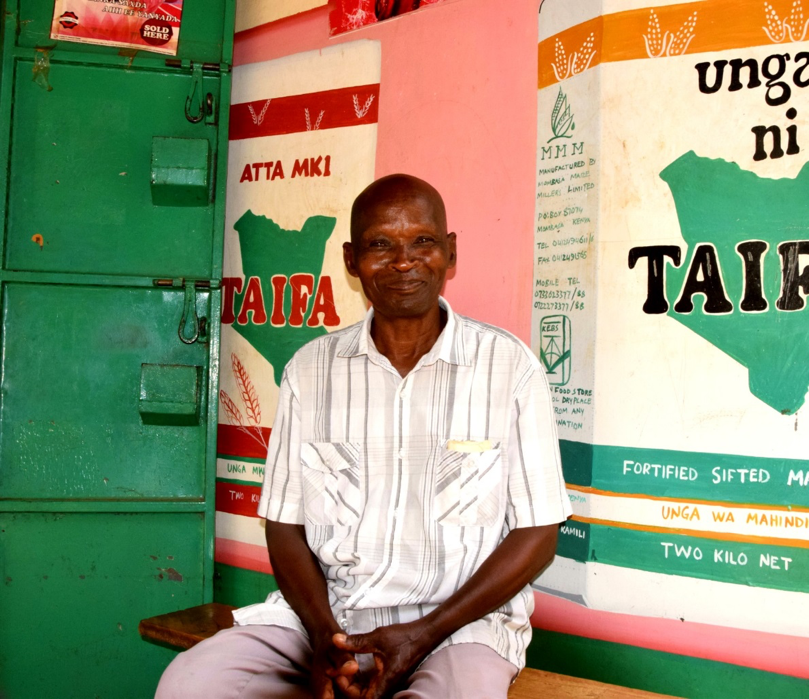
Samuel
Katana: old but passionate about transforming his village for the better
“We supported Kalenga as our Chairperson and managed to convince villagers, one family at a time, through in-depth sensitisation conversations. Eventually, they understood the importance of building a toilet and now this is no longer a problem in our village.” — Samuel Katana, Deputy Chairperson of the Village Sanitation Committee.
Bomani Village is by all measures Open Defecation
Free, meaning that every villager has access to and is utilizing safe
sanitation, and human waste is properly disposed and the slabs for the pit
latrine are free from the risk of collapsing. This has been achieved through
training of local artisans on how to properly build different models of
sanitation facilities as per the client’s needs.
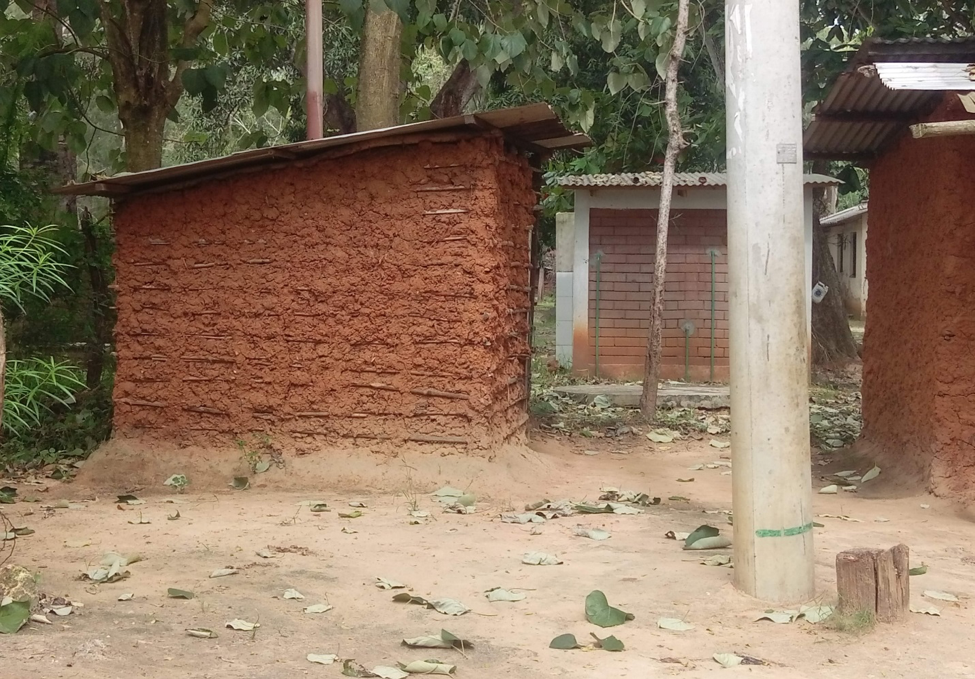
Mud-walled
latrine (extreme left), brick-walled latrine with red and white paint (in the
middle)
All kinds of toilets dot the village, depending
on the socio-economic status of the family, from humble mud-walled latrines
with a distinctive vent pipe to modern-looking pour-flush toilets complete with
a handwashing sink inside.
First Encounters
Far up the Coastal North, across a temperamental
river that sometimes unleashes its wrath through terrible floods and is home to
ferocious hippos that maul unsuspecting villagers and rampage through their
precious crops of maize at night, in Magarini sub-county, most children
encounter their very first toilet in an Amref Health Africa project school.
Kindergarten teachers have to train them on
proper toilet use and inculcate this behaviour on the minds of little ones. As
the pupils progress through a project school where Amref has school health
interventions, they are transformed from open defecators to change agents who hustle
their parents back home to build a toilet like the one they use at school.
Through the ventilated improved pit latrines built
with the support of Amref Health Africa, the problem of disposal of used
sanitary pads for adolescent girls has also been resolved. The Water Sanitation
and Hygiene (WASH) and Neglected Tropical Diseases (NTDs) programme in Kenya
targets communities, health facilities and schools with the most appropriate
sanitation solutions that fit local context, thus addressing real community
needs.
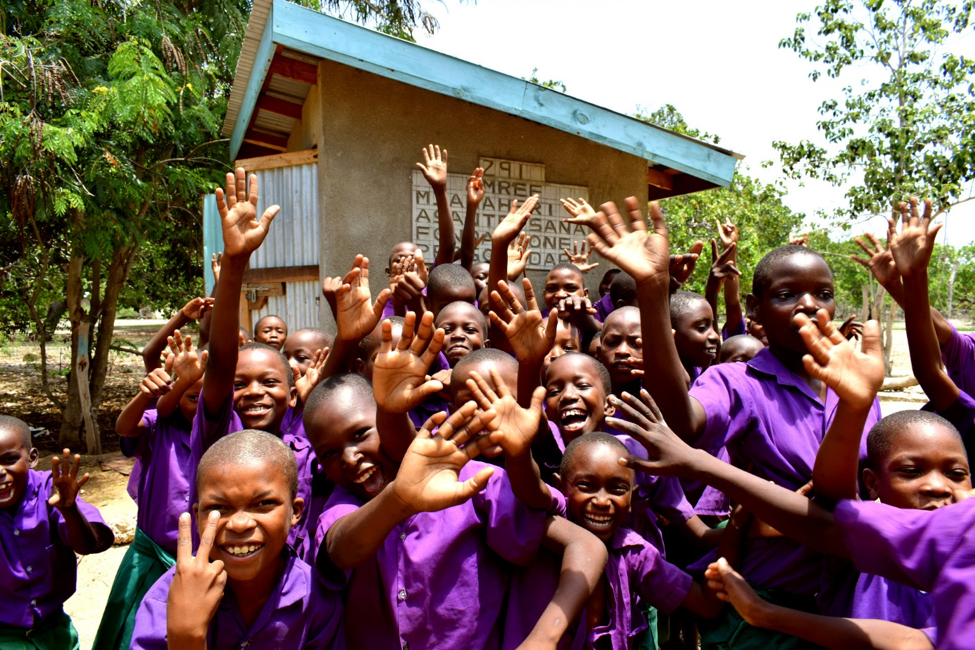
Mjanaheri Primary
School Pupils outside a latrine sponsored by Amref Health Africa in Italy
Every Life Matters
As we celebrate World Toilet Day this year, we feel emboldened by the fact that the Kenya WASH & NTDs programme has directly enabled an average of 326 Kenyans gain access to safe sanitation every day for the last five years across 24 Counties in Kenya. We have touched marginalised lives, from children starting kindergarten to formidable old change agents like Samuel who burn with zeal in their quest to ensure every household in his village has access to a toilet. We still have so much to do, but our vision is clear and the cause noble. Dignity to replace the shame of not having a toilet, lasting health to cut down the heavy disease burden borne by poor and marginalised, a more prosperous Africa through lasting health change. Happy World Toilet Day!
By Arthur Mwai
Twitter: @Mwaigaryan
This toilet business should be done in most parts of Suba too.