

More and more people are becoming victims of heavy
emergency hospital bills as a result of low coverage (below 5%) of health
insurance coverage in Samburu County. Many are unaware that out-of-pocket
payments for health services could easily wipe out entire family savings and in
some extreme cases, result in the sale of family property. These catastrophic
health expenses are often directed to political leaders, friends and family
groups.
It is this
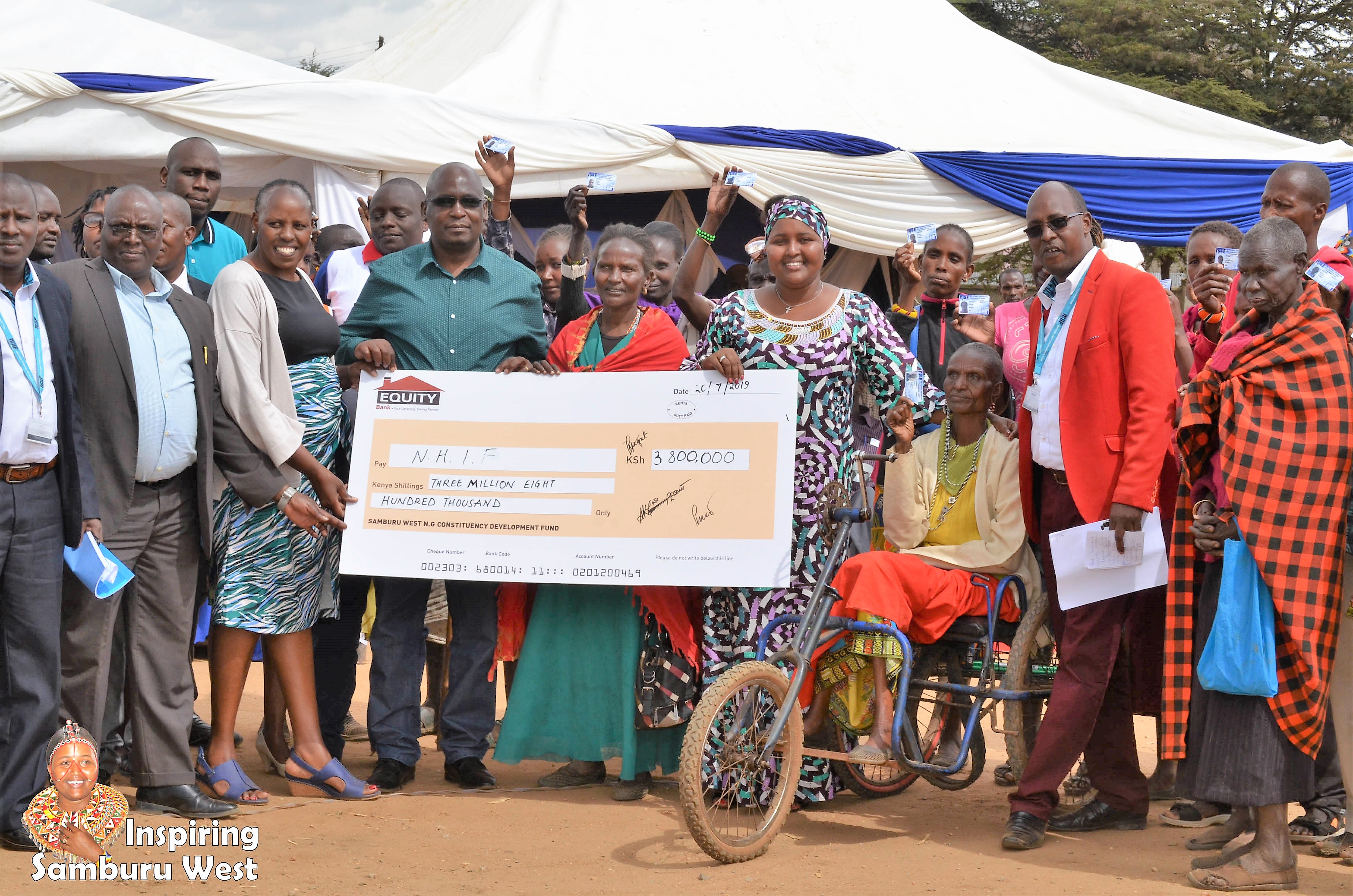
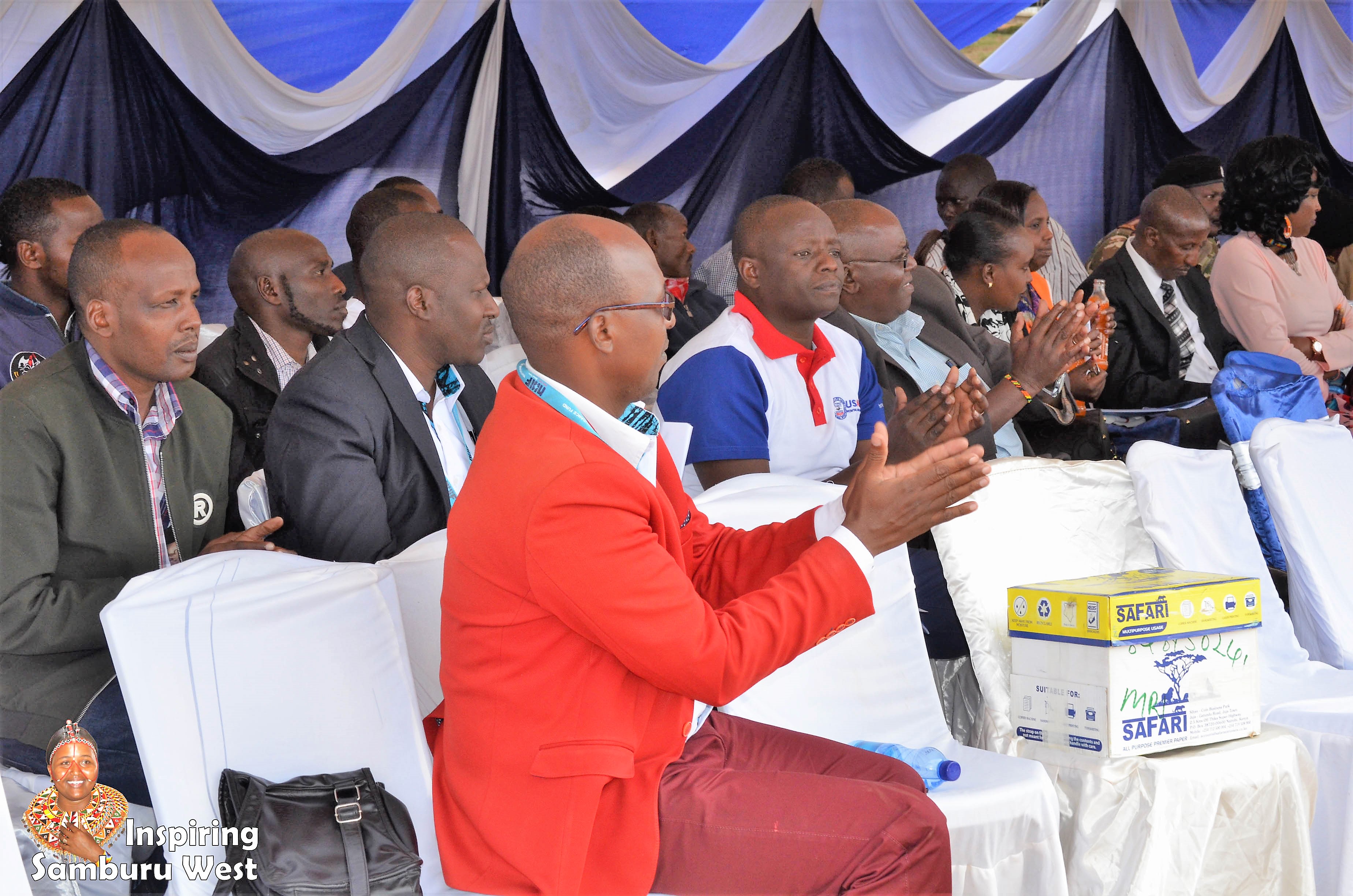
situation that prompted Samburu West Constituency Member of Parliament Hon.
Naisula Lesuda to bring together several stakeholders to deliberate on possible
solutions. The legislator tasked the team of stakeholders to conduct a Health
Insurance Coverage Household survey in Samburu West Constituency to identify
and classify households into those who
can pay, those who can partially pay
and those who cannot pay.
A committee
of seven drawn from the County Department of Health, National Government
Constituency Development Fund, National Hospital Insurance Fund, USAID/Afya
Timiza, World Vision and Child Fund Data backed by 210 locally recruited
enumerators conducted a six-day household census using a pretested
questionnaire. Some of the vulnerability criterions used include: households
headed by a person with disability, households with members with chronic
illness, households with more than five (5) members between the ages of zero to
21 years, households headed by children and households whose head is aged (60
years and above).
The survey
findings showed that out-of-pocket expenditure on health drives 5,175
households into a vicious cycle of poverty. The fact that 90% of
households have no health insurance and 97% of respondents reported
paying for health services out-of-pocket should worry decision makers in
the county. Half of the respondents revealed they had never heard of NHIF
– a pointer to the need to sustain public sensitisation and targeted outreach
services to enrol more into the scheme. The factors affecting uptake of health
insurance are a function of complex interactions of the contextual features
including unaffordability (71%), not necessary (23%) and household decision
dynamics (6%).
Globally,
about 100 million people are being pushed into ‘extreme poverty’ (living on
$1.90 or less a day) because they have to pay for health care services out of
their pockets. The organization of primary health care for pastoral populations
scattered over vast areas is major challenge. In Kenya, despite user fees being
waived for primary health care services, indirect costs (such as payments for
transportation to clinics), informal fees (such as illegal payments demanded by
providers for otherwise ‘free’ services) and unofficial fees (such as requiring
patients to purchase medicines that are no longer in stock), pose major
barriers that prevent the poor and most vulnerable persons from accessing
health care.
To
successfully implement universal health coverage (UHC) in the County, stakeholders
need to invest in addressing contextual determinants of the utilisation of health
insurance including improved physical access to health facilities, availability
of NHIF benefit package services at primary health facilities, ability of
households to sustain monthly/yearly premiums, and changing provider behaviours
to guarantee quality.
A multi-sector
approach including investment in agriculture, livestock and youth livelihoods
is essential to ensuring that communities finance their own health in the
long-term. In addition, investing in the supply side requires both a strong
advocacy component and frequent interactions with the county government to
unlock the resources health facilities need to provide UHC.
Through the
USAID-funded Afya Timiza activity, Amref Health Africa is contributing to creating
equitable health access by supporting target facilities to meet the
requirements for NHIF accreditation, thus increasing the number of health
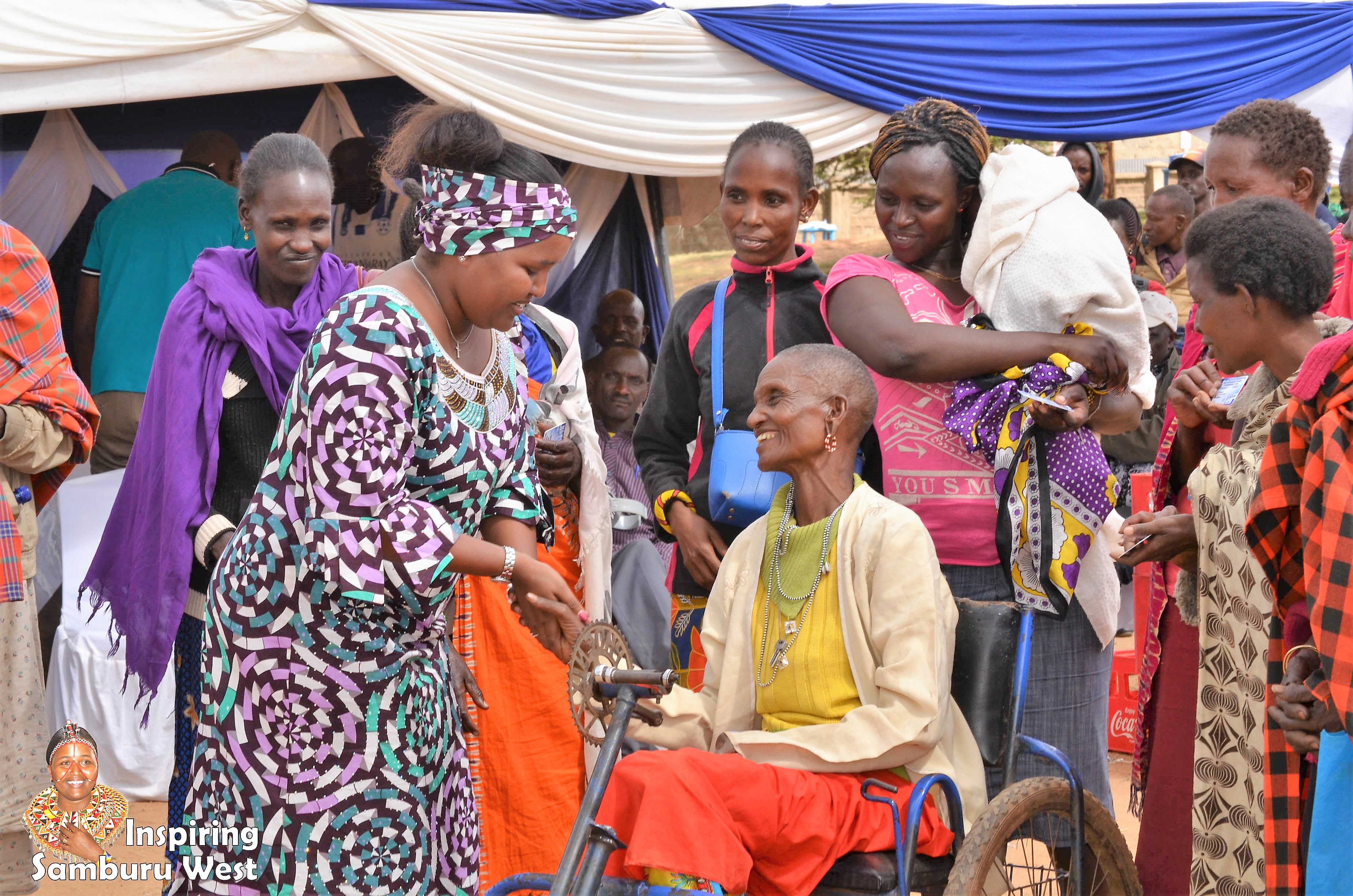
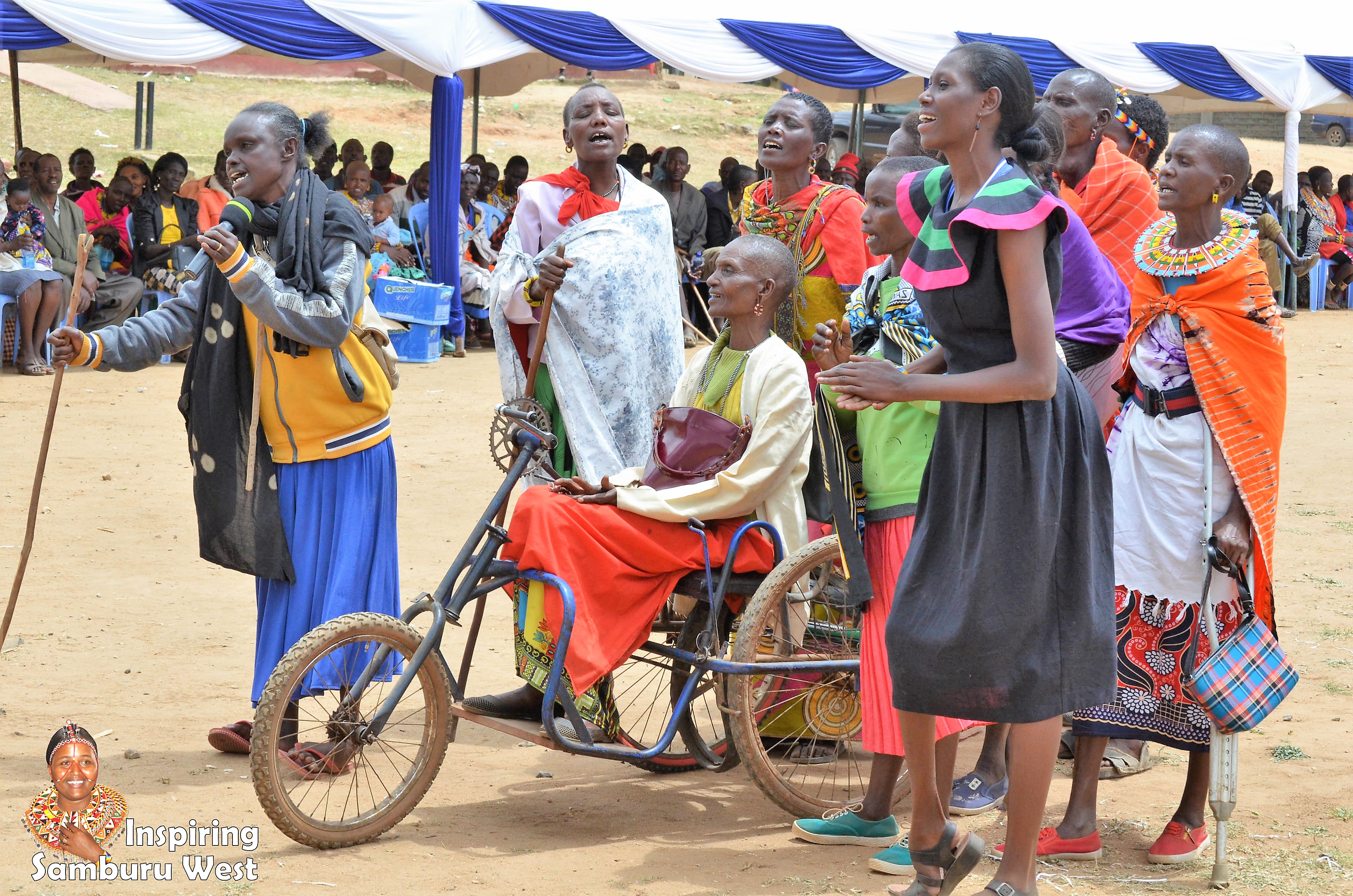
facilities where communities can access services under NHIF. Amref is also
enabling hard-to-reach communities enroll onto NHIF during Umati and Kimormor
outreaches that apply a cross-sector mobile approach to reach nomadic pastoral
communities with basic health services.
Leave a Reply